

In the realm of furnishing an executive office, the selection of a table is crucial. The managerial table is not just a practical piece of furniture; it embodies professionalism and authority. Among the trending styles of executive tables available, L-shaped and straight designs are prominent. Both offers unique benefits and can significantly influence the efficiency and aesthetics of the office environment.
Recognizing the differences between these two styles can help you make an informed decision that meets your requirements and complements your workspace design. From considerations like managerial office table design and size to cost and material options, exploring these factors will ensure you select the ideal table for your workspace. Regardless of whether you prefer a modern glass top or a classic wooden design, this guide will examine the advantages of both L-shaped and rectangular executive tables, helping you find the ideal centerpiece for your office.
Design Comparison
When considering selecting among L-shaped and linear executive tables, the design holds a crucial role in determining the functionality and aesthetic appeal your office environment . L-shaped tables are frequently preferred due to their spaciousness and versatility, offering more surface area for work and allowing for easy collaboration. They can be placed comfortably into corners, maximizing floor space while providing a workspace that can accommodate various office tasks and activities.
In contrast, straight executive tables project a classic and professional look that can elevate the formal ambiance of the workspace. Their linear design promotes a clean, organized appearance, making them suitable for traditional office setups. Straight tables are perfect for compact spaces where a more compact design is required, as they can optimize the office layout without taking away from too much space.
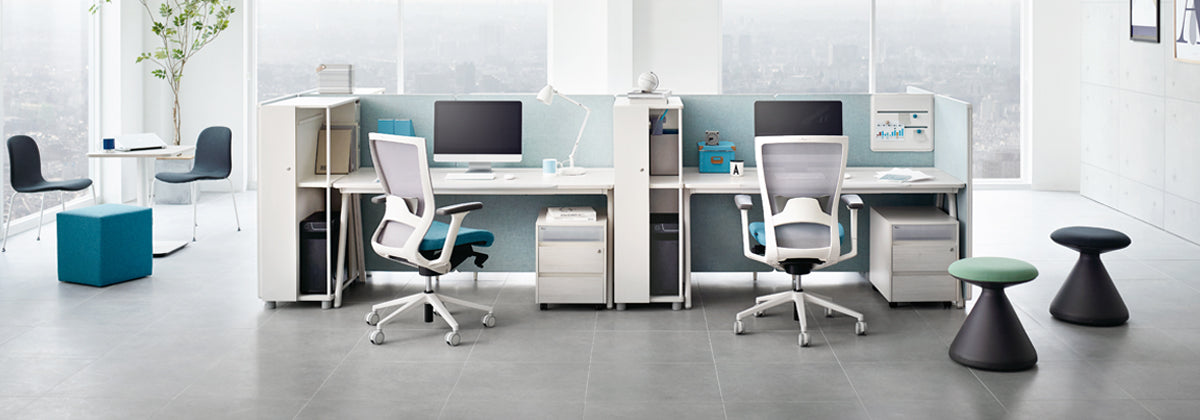
Both designs come in an array of materials and finishes, with options such as wooden and glass tops available for both styles. Office executive tables, regardless of shape, should be chosen not only based on appearance but also on how they align with the office's overall aesthetic and functionality needs.
Price Considerations
As you selecting an office executive table, price is often a key factor that affects the decision-making process. The budget changes widely based on the style, components, and brand. Office executive tables can range from budget-friendly options, typically made of particleboard or laminate, to premium models constructed from solid wood or featuring luxurious finishes. Established brands like Godrej usually come at a cost, reflecting their standing for durability.
Additionally important aspect to consider is the pricing difference between L-shaped desks and traditional executive desks. L-shaped tables often command a greater price due to their size and dimensions and versatile design, which can accommodate more working area and storage options. Conversely, straight executive tables may be less expensive and can fit well in small office spaces, making them appealing to budget-conscious buyers.
Finally, when evaluating costs, it is crucial to factor in additional expenses such as office executive table accessories and matching chairs. Pairing your executive desk with an appropriate chair set can enhance your workspace's overall appearance and functionality. It's advisable to seek out sets that provide the best value without compromising on quality, ensuring a good investment for your office space.
Space Requirements
When between L-shaped versus straight executive tables, comprehending the spatial requirements is essential. L-shaped tables generally demand increased room due to their design, stretching beside two boundaries of the office. This setup is perfect for larger offices where sufficient space available, facilitating smooth flow and supplementary office accessories. In contrast, conventional executive tables are more suited for smaller spaces, offering a streamlined form that maximizes utility but not overwhelming the area.
It is important to evaluate the office area carefully ahead of deciding. Consider the total dimensions of the room and the arrangement of surrounding furniture like office chairs and filing cabinets. An L-shaped table might offer greater workspace for work and organization, but it can likewise impede movement if not positioned properly. On the flip side, a linear table can provide a clearer path, but may not provide as much workspace for paperwork and equipment.
In addition to the table type, consider the potential need for additional items, including a side table or additional storage solutions. These elements should be factored into the overall space planning to make certain that the office remains efficient and organized. In the end, selecting the suitable executive table must correspond with the dual aspects of the office environment and your individual working style.
Design and Usability
When choosing an executive table, the equilibrium between style and functionality is essential. L-shaped managerial tables are often preferred for their modern aesthetic and efficient use of area. They provide a larger work surface, making them perfect for simultaneous tasks and accommodating various office accessories. The style can improve the visual appeal of an office while boosting productivity, as the form allows for improved organization and accessibility of materials.
On the other hand, straight executive tables offer a more traditional and timeless look, which can be advantageous in settings where formality and seriousness are highlighted. These tables are adaptable and can fit seamlessly into both contemporary and traditional office designs. Their simple structure allows for convenient placement against walls or in spacious office layouts, providing sufficient workspace without overwhelming the room’s space.
In the end, the choice between L-shaped and linear executive tables should consider the particular needs of the executive and the complete office layout. While L-shaped tables might excel in collaborative or multifunctional spaces, straight tables could better serve settings where a refined professional appearance is prioritized. Evaluating executive desk office chair and usability will ensure the chosen table meets both practical needs and aesthetic preferences.